
Viruses often jump from animals to humans, wildlife crime plays a role 

During the masterclass, I learned how closely human, animal and ecosystem health are connected. Human behaviour, changes in habitats, wildlife trade and contact between different animal species can all influence the spread of pathogens. Viruses that originally circulate among animals can, under certain circumstances, spill over into humans. These are known as zoonotic infections.
Wildlife crime can increase these risks, for example when wild animals are captured, transported, traded or kept in unnatural conditions, bringing them into contact with humans or other animal species. This can create new opportunities for pathogens to spread.
The masterclass highlighted that tackling these complex challenges requires collaboration between different disciplines. Forensic science and ecology are important, but so are health sciences, policymaking and behavioural sciences. By approaching a problem from different perspectives, we can better understand its underlying causes and develop more effective solutions.
In my work, I see how important hygiene and awareness of viruses are, including from a psychological perspective
What stood out to me most was the importance of knowledge, awareness and human behaviour in preventing health risks. Through Viruskenner, I work on making knowledge about viruses accessible and encouraging preventive behaviour. During the WFA, I realised that these principles extend far beyond infectious diseases alone.
With my background in psychology, I am particularly interested in how people process information, perceive risks and adapt their behaviour. Informing someone about a risk does not automatically mean they will change their behaviour. That is why it is important to consider how information is communicated, who the target audience is and what actually motivates people to take preventive measures.
This applies not only to hygiene and virus prevention, but also to wildlife crime, conservation and human and animal health. Awareness and behavioural change play an important role in all these areas.
Connecting psychology, health and nature
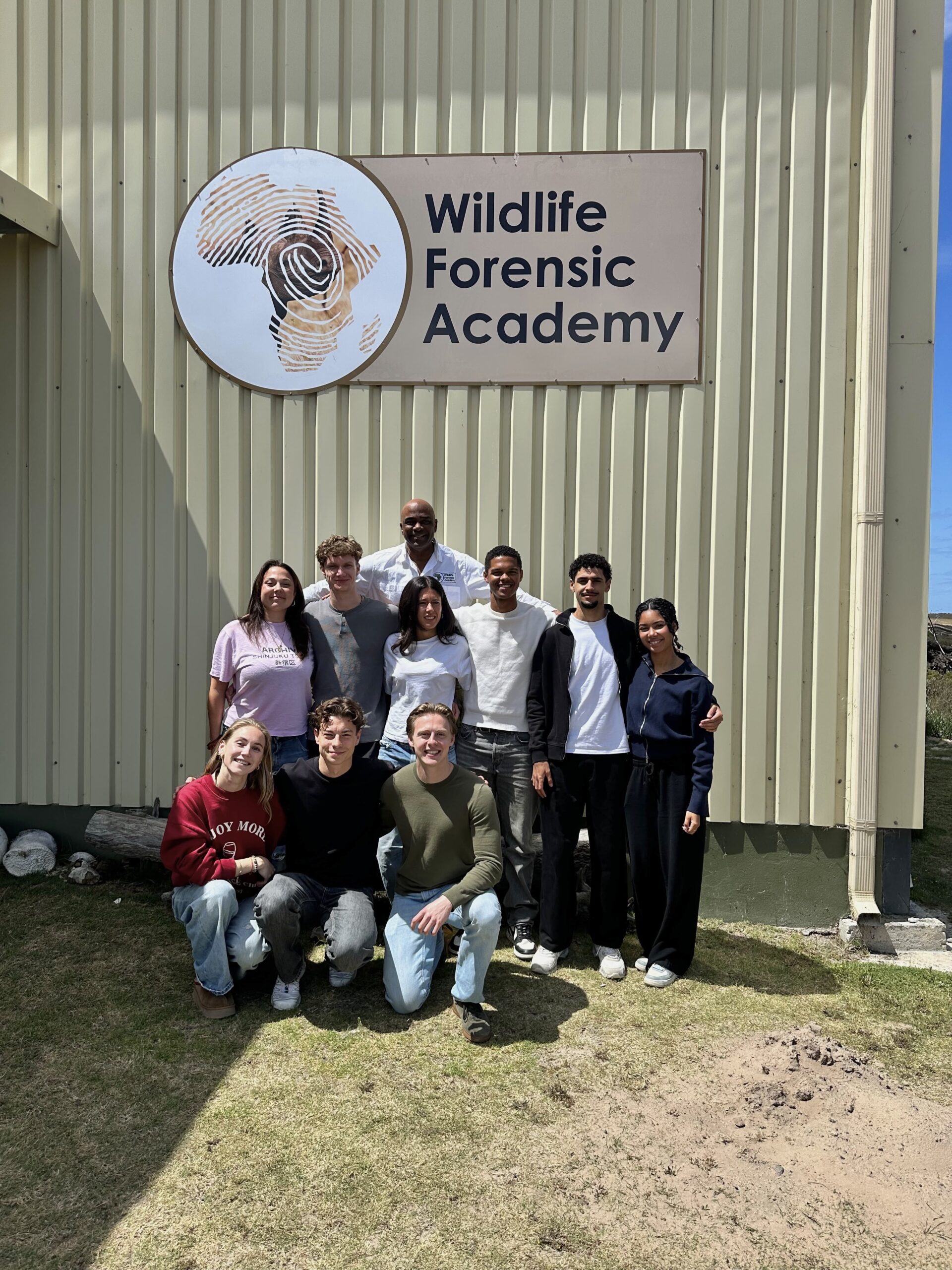
My experience at the Wildlife Forensic Academy showed me how valuable it is to bring knowledge from different disciplines together. Challenges involving wildlife crime, infectious diseases and health are complex and require more than just a scientific solution. The way people think, behave and engage with information also plays an important role.
This experience further strengthened my interest in the connection between psychology, health and prevention. It also reminded me why initiatives such as Viruskenner are so important: by making scientific knowledge accessible and helping people become more aware of their own behaviour, we can contribute to preventing health risks.